Printing for Businesses, Events, Schools, and Teams
Discover effective printing for businesses, events, schools, and teams. Explore methods that enhance branding and create visual unity today!
Printing for Businesses, Events, Schools, and Teams
Custom printing for businesses, events, schools, and teams is the process of producing branded apparel and promotional materials that create visual unity and reinforce identity across every audience touchpoint. Whether you are outfitting a corporate staff, promoting a fundraiser, or building school spirit, the right print method and material choice determine whether your brand looks polished or forgettable. Torontocustomtshirts serves organizations across Mississauga, Toronto, and the GTA with DTF printing, screen printing, and custom garment services built for exactly these needs. This guide covers the methods, workflows, and strategies that produce results.
What printing methods work best for businesses, events, schools, and teams?
The four methods that dominate custom apparel printing are screen printing, direct-to-film (DTF), embroidery, and digital printing. Each suits a different combination of order volume, material type, and design complexity. Choosing the wrong method wastes money and produces prints that fade, crack, or look off-brand within weeks.
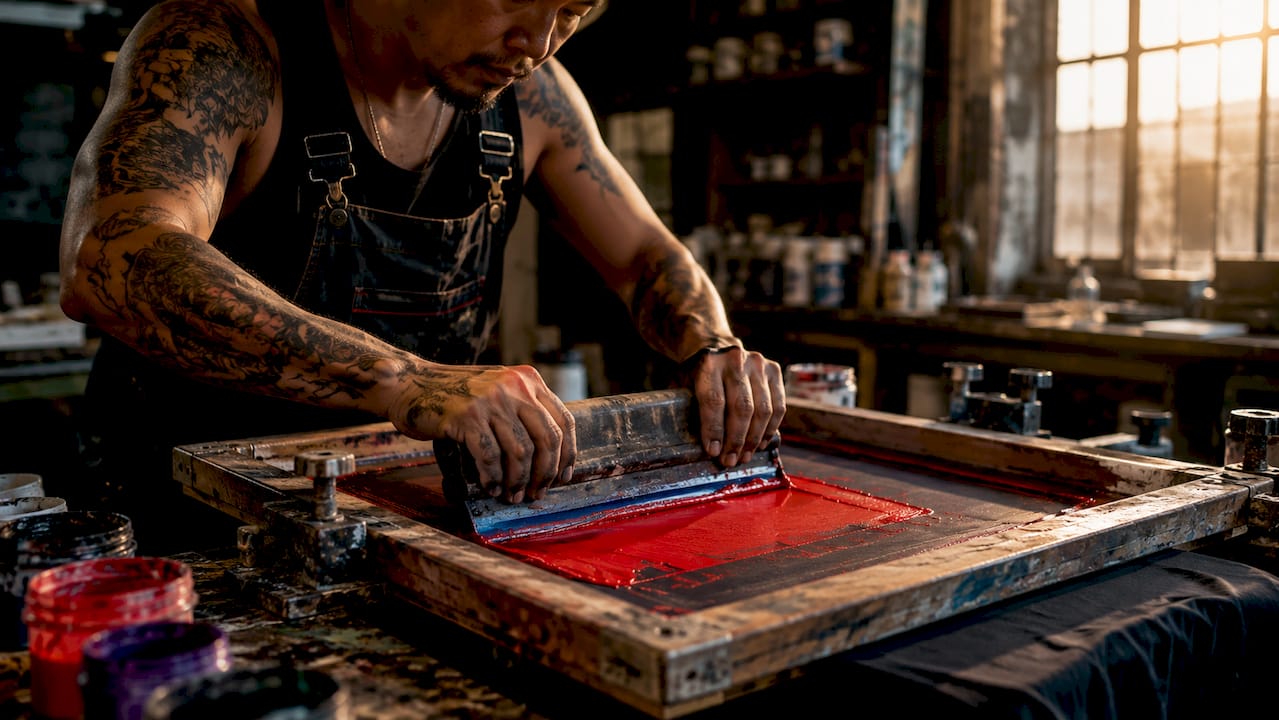
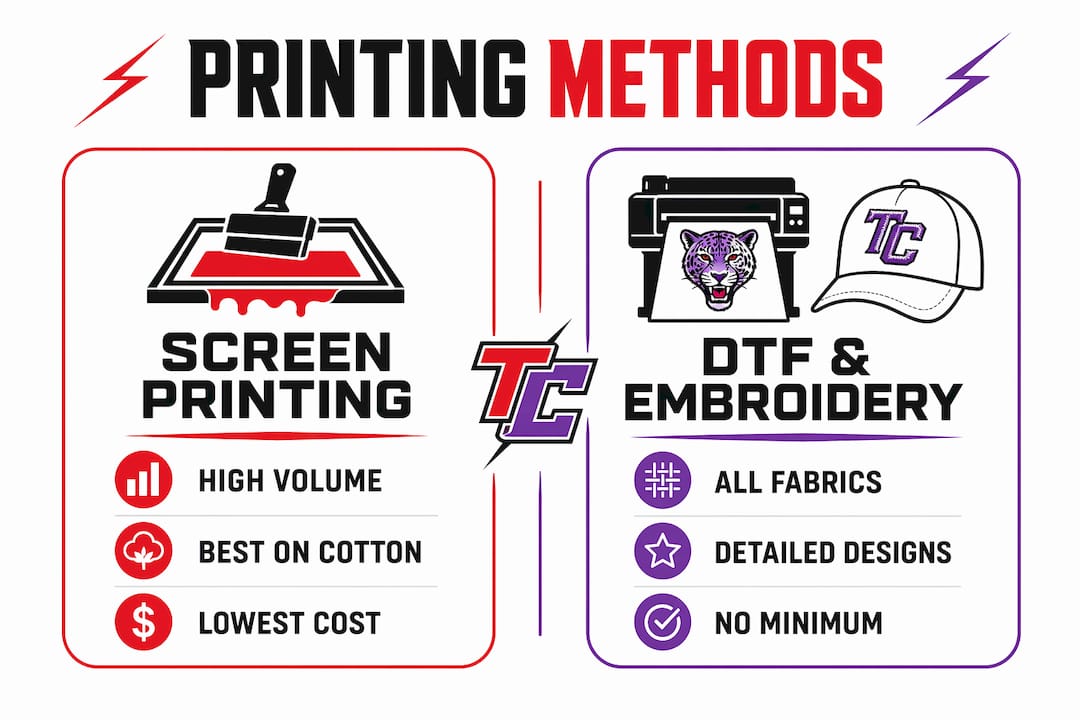
Screen printing delivers the lowest cost per unit at high volumes and produces vivid, durable color on cotton and cotton-blend fabrics. It works best for simple logos with fewer than six colors. DTF printing transfers full-color designs onto virtually any fabric, including polyester and performance blends, with no minimum order requirement. Torontocustomtshirts specializes in DTF, which makes it the go-to method for event merchandise with detailed artwork or small batch runs. Embroidery adds a premium, textured finish suited to corporate polos and team hats. Digital printing (also called direct-to-garment, or DTG) works well for photographic designs on light-colored cotton.
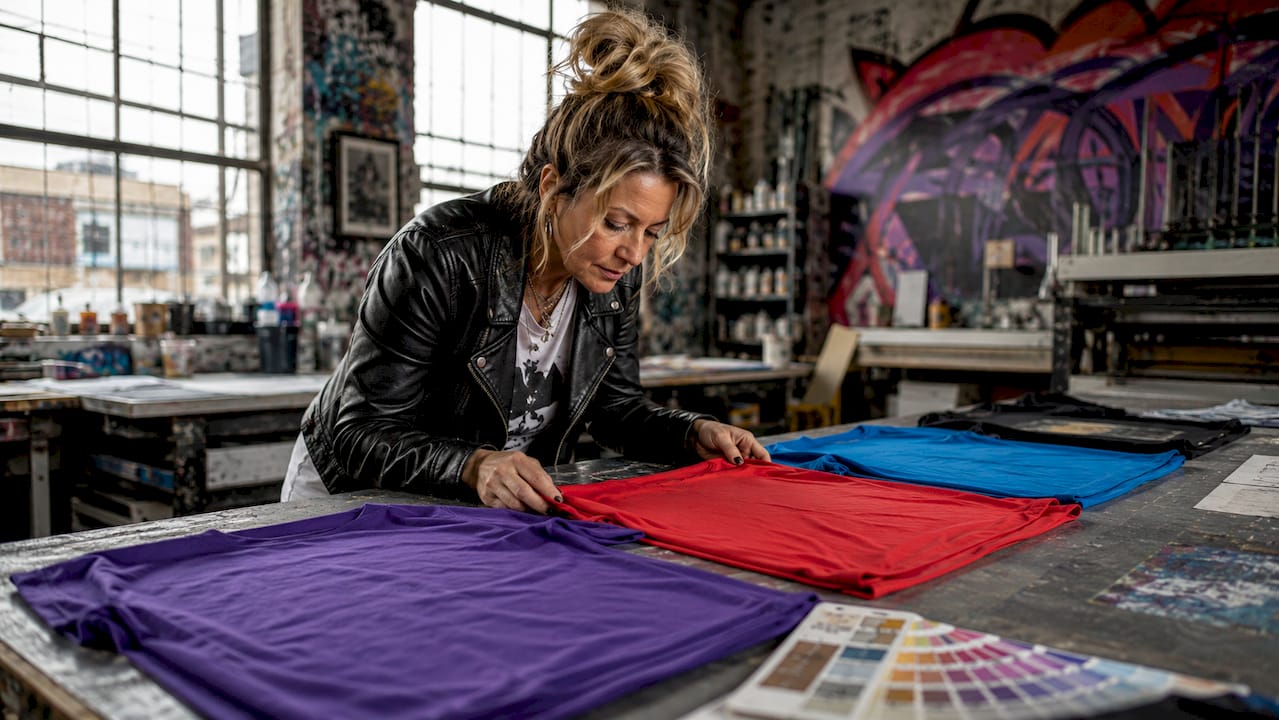
Material compatibility matters as much as the method itself. Cotton absorbs screen ink and DTG ink well. Polyester and synthetic blends require DTF or sublimation to prevent color bleeding. A cotton-polyester blend at 50/50 sits in the middle and accepts most methods with proper pretreatment.
Color matching using PMS codes is critical for consistent brand appearance across varying materials and printing methods. Relying on default CMYK values instead of Pantone Matching System codes leads to visible color shifts between your printed shirts, banners, and signage. Always supply your brand’s PMS codes to your print provider before production begins.
Pro Tip: Request a physical strike-off or digital proof on the actual garment color before approving a bulk run. Screen color and fabric color interact, and a proof eliminates costly surprises.
The table below summarizes the key differences between the four main methods.
| Method | Best for | Minimum order | Material fit |
|---|---|---|---|
| Screen printing | Simple logos, high volume | Typically 12+ units | Cotton, cotton blends |
| DTF printing | Full-color, any volume | No minimum | All fabrics including polyester |
| Embroidery | Corporate wear, hats | Varies | Structured fabrics, fleece |
| Digital (DTG) | Photo-quality, low volume | 1 unit | Light-colored cotton |
How to plan and execute bulk printing orders efficiently
Bulk printing orders succeed or fail based on how well you plan the timeline, file submission, and communication with your print provider. Skipping any of these steps creates delays that derail event schedules and team launches.
Follow this sequence for a clean bulk order process:
-
Set your deadline first. Work backward from your event or delivery date. Bulk orders typically require around 7 working days lead time, with quotes and digital proofs often available within 30 minutes. Build in at least two extra days for revisions.
-
Confirm your size breakdown early. Collect size data from every team member or attendee before placing the order. Late size changes after production begins cost money and time.
-
Submit print-ready artwork. Vector files (AI, EPS, or high-resolution PDF) at 300 DPI are the standard for clean output. Avoid low-resolution JPEGs pulled from websites. Check the common design mistakes that wreck custom apparel before you submit.
-
Review your digital proof carefully. Check placement, color, and scale against the actual garment dimensions. A proof approved in haste is a reprint paid for twice.
-
Confirm delivery or pickup logistics. Torontocustomtshirts offers local pickup in Mississauga, which eliminates shipping delays for GTA-based organizations.
-
Plan for fulfillment after delivery. Storing printed assets off-site and shipping on demand reduces upfront costs and prevents waste from outdated inventory. This model works especially well for organizations that run recurring events or seasonal team orders.
Partnering with providers that offer dedicated expert support helps clients avoid file format mistakes and keeps projects aligned with brand goals. A provider that answers questions at the quote stage, not just at delivery, is worth the relationship.
Pro Tip: Order 5–10% more units than your confirmed headcount. Replacements for damaged items or last-minute additions cost far more per unit when ordered separately.
How does combining print and digital materials improve event marketing?
Print and digital materials work better together than either does alone. A well-designed event flyer drives foot traffic. The same artwork repurposed as a social media graphic extends that reach to audiences who never saw the physical print. The key is building both from one source file.
Modern event promotional workflows emphasize preparing print and digital assets simultaneously from a single source file at 300 DPI, then exporting to print formats (A4, A3) and digital formats (9:16 social media ratio) in one design session. This approach cuts production time and keeps visual consistency across every channel.
The benefits of a coordinated print and digital strategy include:
- Brand consistency. One source file means one color palette, one logo version, and one message across flyers, shirts, and Instagram posts.
- Faster production. Designing once and exporting to multiple formats saves hours compared to rebuilding assets for each channel.
- Wider reach. Printed event promotional materials capture local, in-person audiences. Digital assets reach followers, email lists, and paid ad audiences simultaneously.
- Longer campaign life. A printed banner at your event stays visible for hours. A social post lives indefinitely and can be boosted after the event ends.
Integrating SEO and content marketing months before an event increases the impact of printed materials by driving organic traffic and building brand presence before the first flyer is distributed. Keyword research tied to your event name and location gives your digital content a head start that physical print alone cannot provide.
How can schools and teams use print solutions for cohesive branding?
Schools and teams have a specific printing challenge: they need consistent branding across a group of individuals who may each want something slightly different. The solution lies in choosing between bulk uniform printing and variable data printing, depending on the level of personalization required.
Bulk printing works when every item is identical, such as a school’s physical education uniform or a sports team’s practice shirt. The ATC™ Pro Team Tee is a strong choice for this application, offering a durable, athletic cut that holds DTF and screen prints cleanly across large runs.
Variable data printing (VDP) enables individualized customization within the same print run, such as adding each player’s name and number to a team jersey without placing separate small orders. VDP avoids the cost penalty of multiple small batch orders when content varies per unit. This is the method schools and sports organizations should request when personalization matters.
Key considerations for school and team print orders:
- Artwork submission: Supply your school crest or team logo as a vector file. Raster images from websites print poorly at garment scale.
- Color accuracy: Provide PMS codes for your school or team colors. This prevents color drift between seasons or between different garment types.
- Eco-friendly options: Many organizations now request garments made from organic cotton or recycled polyester. Ask your provider which blanks qualify and whether the inks used are water-based.
- Spirit wear variety: A single design printed across multiple garment styles, such as a baseball tee and a custom polo, gives students and staff options while keeping the brand unified.
Pro Tip: For school fundraisers, use a pre-order model. Collect payments and sizes before placing the print order. This eliminates unsold inventory and covers production costs upfront.
Key Takeaways
Effective printing for businesses, events, schools, and teams requires matching the right print method to the right material, planning timelines carefully, and treating brand consistency as a non-negotiable standard across every item produced.
| Point | Details |
|---|---|
| Match method to material | DTF works on all fabrics; screen printing suits high-volume cotton orders best. |
| Use PMS codes for color | Always supply Pantone codes to prevent color drift across garments and signage. |
| Plan bulk orders early | Allow at least 7 working days and submit vector files at 300 DPI for clean output. |
| Combine print and digital | Build one source file and export to both print and social media formats to save time. |
| Use VDP for personalization | Variable data printing adds individual names or numbers without costly small batch orders. |
What I’ve learned from watching organizations get printing wrong
Most organizations treat a print order like buying office supplies. They send a low-resolution logo, pick a color by eye, and expect the result to match what they imagined. The organizations that get it right treat printing as a system for brand protection, not a one-off transaction.
The single most common mistake I see is color inconsistency. A school or business spends years building recognition around a specific shade of blue or red, then approves a print run without supplying PMS codes. The shirts come back looking slightly off. Nobody complains loudly, but the brand looks cheaper than it is. That gap between the brand in your head and the brand on the shirt is entirely preventable.
The second mistake is treating the print provider as a vendor rather than a partner. The organizations that get the best results ask questions early, share their brand guidelines, and request proofs before committing to full production. That relationship pays off in fewer reprints and better output every time.
My honest advice: find a provider that answers your questions at the quote stage, not just at pickup. If they offer expert support from artwork review through delivery, that is the relationship worth keeping.
— Toronto
Torontocustomtshirts: custom printing for every organization
Torontocustomtshirts works with businesses, event organizers, schools, and teams across the GTA to produce custom apparel that holds up and looks sharp. From a single branded polo to a bulk run of 500 event shirts, the process runs from design review to local pickup in Mississauga with fast turnaround and clean print quality.
The product range covers every organizational need. The ATC™ Pro Team Tee handles high-volume team and event orders. The ATC™ Eurospun® Baseball Tee suits casual event merchandise and spirit wear. The Softstyle® Pique Polo works for corporate events and school staff uniforms. Explore the full bulk order options or get a quote directly through Torontocustomtshirts to start your next print project.
FAQ
What is the minimum order for bulk custom apparel printing?
Minimum order quantities vary by method. Screen printing typically starts at 12 units, while DTF printing carries no minimum, making it practical for small teams or single-item orders.
How do I submit artwork for a custom print order?
Submit vector files in AI, EPS, or high-resolution PDF format at 300 DPI. Include your PMS color codes to guarantee accurate color output across all garment types.
How long does a bulk printing order take?
Bulk orders generally require around 7 working days from artwork approval to completion. Rush timelines may be available depending on order size and provider capacity.
What is variable data printing and when should I use it?
Variable data printing (VDP) prints unique information, such as names or numbers, on each item within a single production run. Use it when team members or event attendees need personalized apparel without the cost of separate small orders.
How do I keep brand colors consistent across different print methods?
Always supply Pantone Matching System (PMS) codes to your print provider. Default CMYK values shift across different materials and printing technologies, while PMS codes produce consistent results on apparel, signage, and promotional items.
Recommended
Get pricing in 24h.
Toronto-based, no minimums. Tell us about your project and we'll email a detailed quote within one business day.
Request a Quote